The first recorded Luau happened in 1819 when Kin Kamehameha II lifted the kapu, which means ban, on men and women to eat together. This became a celebration for all, and they would share a large feast of traditional Hawaiian dishes. For years, Luaus were for royalty and artistocrats, until 1856 when King Kamehameha IV and his queen attended a public luau that made it acceptable for all classes.
https://www.pearlharboraviationmuseum.org/blog/history-of-a-luau/
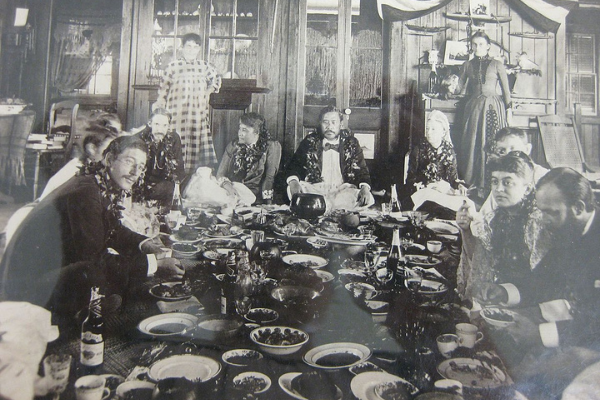
Credits to the pearlharboraviationmuseum.org
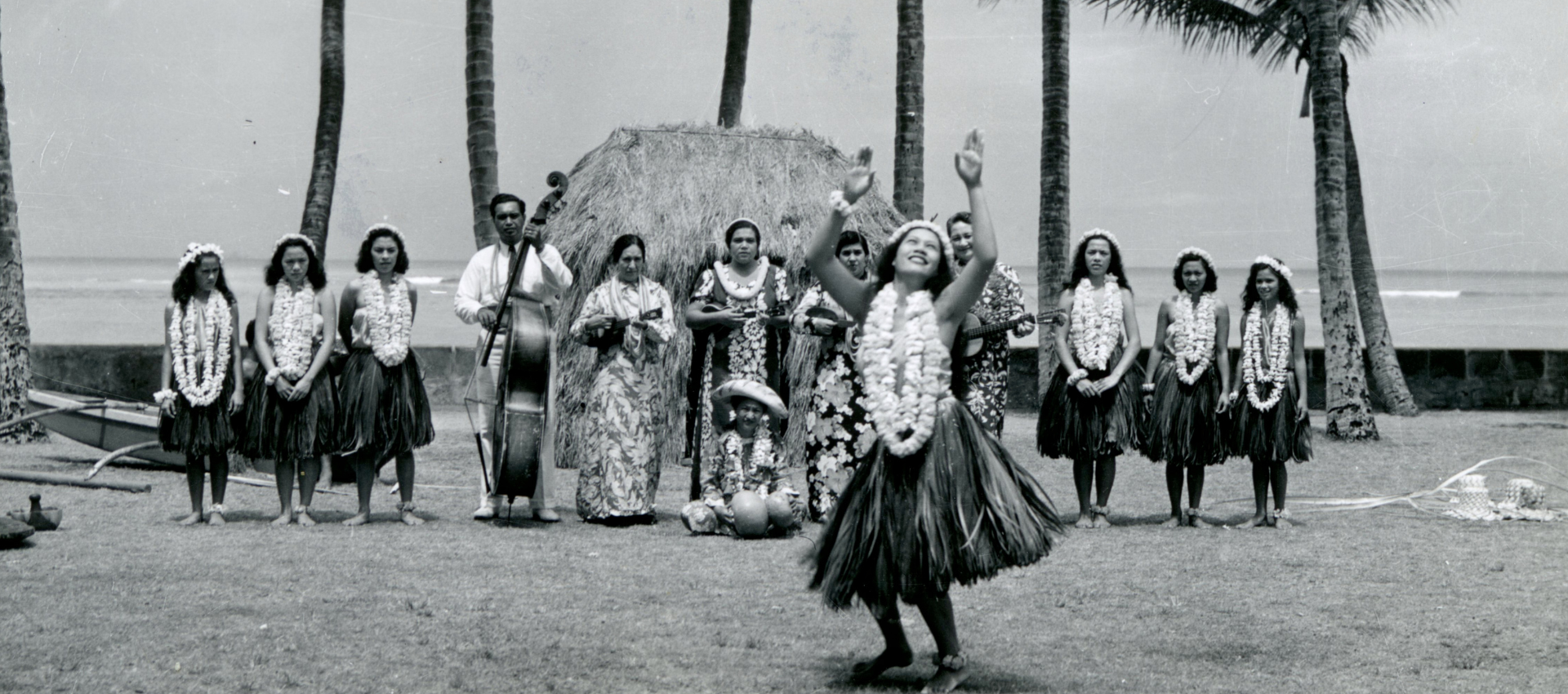
Credits to the pearlharboraviationmuseum.org
Due to the prohibition of some long-standing Hawaiian traditions, the popularity of the luau declined in the 20th century. During the past fifty years, there has been a rebirth of interest in Hawaiian culture, and the luau has once again gained popularity among tourists and become on integral part of daily life in Hawaii. Huge luaus are held by the locals to commemorate birthdays and high school graduation.
Before the early 19th century, the kapu system, which regulated certain social behaviors, had regulations and limitations related to religion. The meaning of the term "kapu" is "set aside as sacred" or "forbidden." As a result, the kapu system controlled what was prohibited. The system limited the eating of specific foods to men and leaders only, and it specified who might enjoy meals together. All classes of women were prohibited by law from dining with men and from consuming certain specialties of Hawaii, such as reef fish, pork, and bananas. The meals were sacred and could only be consumed by the chiefs, also referred to as "alii," as they symbolized strength and other virtues.
https://www.pearlharboraviationmuseum.org/blog/history-of-a-luau/
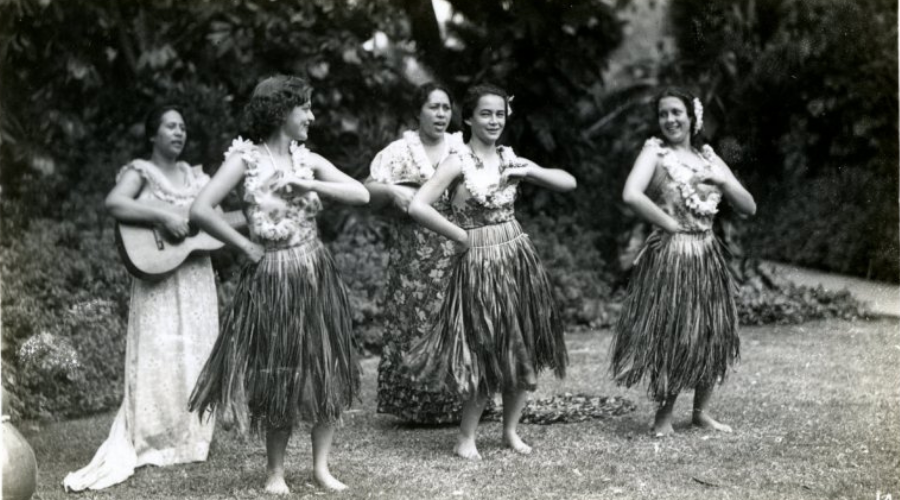
Credits to the pearlharboraviationmuseum.org
